.webp)

Introduction: Why Castor Wheel Maintenance Cannot Be Ignored
Industrial facilities rely heavily on mobility systems for daily operations. From warehouses and manufacturing plants to hospitals and logistics centres, trolleys and mobile equipment move continuously throughout the day. While castor wheels are designed for durability, they are still mechanical components subjected to friction, load stress, and environmental exposure. Without proper maintenance, even high-quality industrial castor wheels can gradually lose performance and eventually fail.
Many facilities replace castor wheels only after a breakdown occurs, but reactive replacement often leads to downtime, safety risks, and avoidable expenses. Preventive maintenance allows organisations to detect wear early, maintain smooth movement, and extend service life. Rexello manufactures heavy duty castors and medium duty castors engineered for long-term industrial use, but proper maintenance ensures they continue to perform reliably across demanding operating conditions.
Regular Visual Inspection of Castor Wheels
The first step in castor wheel maintenance is routine visual inspection. Industrial environments expose wheels to debris, oil, chemicals, and floor particles that accumulate over time. These materials can interfere with wheel rotation and cause uneven wear patterns.
During inspection, operators should observe the wheel surface, mounting structure, and swivel movement. Early signs such as flat spots, cracks, or irregular rolling behaviour indicate developing issues. Identifying these symptoms early helps prevent sudden equipment stoppage and protects both the equipment and surrounding flooring.
Cleaning and Removal of Debris
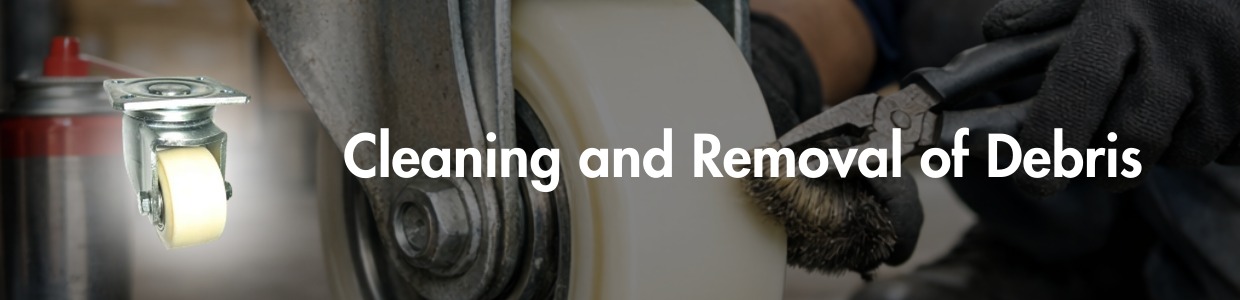
Accumulated debris is one of the most common causes of castor wheel malfunction. Threads, packaging material, metal particles, and dust often wrap around the wheel axle or swivel assembly, restricting movement. When the wheel cannot rotate freely, additional load stress is transferred to the mounting and bearing components.
Periodic cleaning restores proper wheel movement and reduces strain on the castor assembly. Rexello designs its heavy duty castors for demanding industrial environments, but removing debris regularly helps maintain smooth rolling and reduces wear on both the wheel and the floor surface.
Checking Bearings for Smooth Rotation
Bearings are the core mechanical component of a castor wheel. Over time, contamination, moisture, or continuous heavy load can affect bearing performance. Reduced rotation, grinding noise, or increased pushing effort often indicate bearing deterioration.
Routine checking of wheel rotation helps identify bearing problems before failure occurs. Rexello integrates precision bearing systems into its castor wheels to support long operating cycles, but periodic inspection ensures that performance remains consistent in continuous-use facilities.
Monitoring Load Conditions
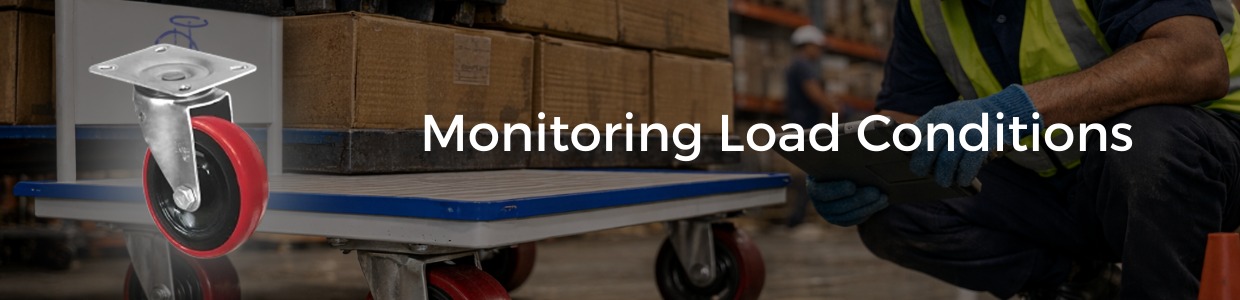
Castor wheel maintenance also includes evaluating how equipment is being used. Overloading or uneven load distribution places excessive pressure on individual wheels, accelerating wear and damaging mounting structures. Many failures occur not because of poor product quality but because equipment usage exceeds design limits.
Facilities using heavy duty castors should ensure that equipment weight remains within recommended capacity and is distributed evenly across all wheels. Proper load management prevents deformation and extends the working life of the entire mobility system.
Inspecting Mounting Plates and Fasteners
The mounting area is often overlooked during maintenance routines. Repeated movement and vibration can gradually loosen fasteners or affect alignment. If the mounting plate becomes unstable, the wheel may not roll straight and can cause equipment imbalance.
Checking mounting bolts and tightening them when necessary prevents sudden detachment and improves operational safety. Rexello castor wheels are engineered with strong mounting structures, but periodic inspection ensures continued reliability under repetitive industrial use.
Environmental Effects on Castor Performance
Industrial facilities frequently expose castor wheels to moisture, chemicals, and temperature variations. Over time, such exposure can affect wheel material and metal components. Corrosion or material hardening may reduce flexibility and rolling efficiency.
Selecting the appropriate medium duty castors or heavy duty castors based on environment and maintaining regular inspection reduces these risks. Maintenance not only preserves mobility but also protects floors and improves operator safety.
When to Replace Castor Wheels
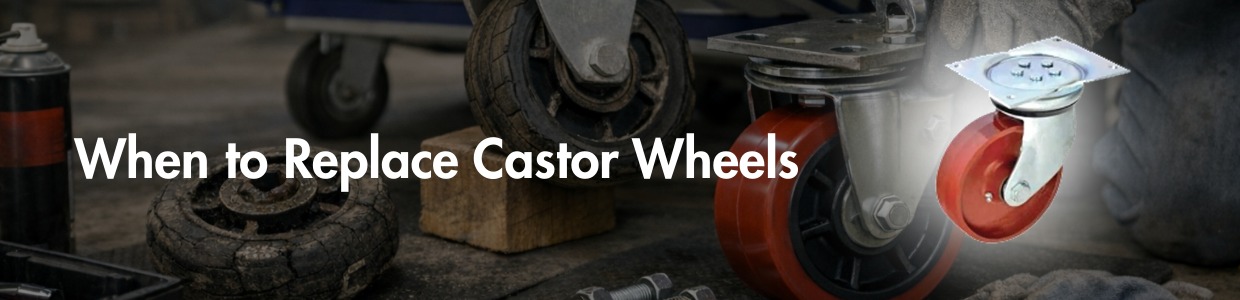
Even with proper maintenance, castor wheels have a service life. Continuous operation eventually causes material fatigue and component wear. Signs such as persistent vibration, unstable movement, excessive noise, or frequent locking indicate that replacement is necessary.
Timely replacement prevents damage to equipment and reduces downtime. Working with a reliable manufacturer like Rexello ensures consistent specifications and predictable performance when replacing existing wheels.
Why Preventive Maintenance Improves Operational Efficiency
Preventive castor wheel maintenance supports operational continuity. Smooth rolling equipment reduces manual effort, speeds up movement, and minimises risk of accidents. Facilities that maintain their castor wheels regularly often experience lower maintenance costs and fewer operational disruptions.
Rexello designs its industrial castor wheels to support long-term use, and when combined with structured maintenance practices, these wheels can deliver consistent performance across extended operating cycles.
Conclusion
A structured maintenance approach is essential for maintaining mobility efficiency in industrial facilities. Regular inspection, cleaning, load monitoring, and timely replacement prevent unexpected breakdowns and improve operational safety. Castor wheels may appear simple, but their reliability directly affects daily productivity. By combining quality products with preventive maintenance practices, facilities can ensure consistent performance and reduced downtime. Rexello supports industrial operations with durable castor wheel solutions designed for dependable long-term use.
Call to Action
Reliable mobility systems depend not only on quality products but also on proper maintenance practices. Rexello manufactures heavy and medium duty castors designed for industrial durability, smooth handling, and long service life. If your facility experiences frequent wheel wear, movement resistance, or downtime, Rexello can help you identify the right castor solutions and improve equipment reliability. Reach out to discuss your operating conditions and receive expert recommendations tailored to your application.
📧 info@rexello.com | 📞 +91-79001 47477 | 🌐 www.rexello.com
Frequently Asked Questions
Q1: How often should industrial castor wheels be inspected?
A1: Industrial castor wheels should be inspected regularly depending on usage intensity, with high-use facilities checking them frequently.
Q2: What is the most common maintenance issue with castor wheels?
A2: Debris accumulation around the wheel and bearing area is one of the most common causes of movement problems.
Q3: Can proper maintenance extend castor wheel lifespan?
A3: Yes, routine inspection, cleaning, and load control significantly increase service life and performance reliability.
Q4: When should castor wheels be replaced?
A4: Replacement is recommended when wheels show severe wear, instability, or persistent rolling resistance.