.webp)

Why Industrial Castor Wheel Failures Can Disrupt Entire Operations
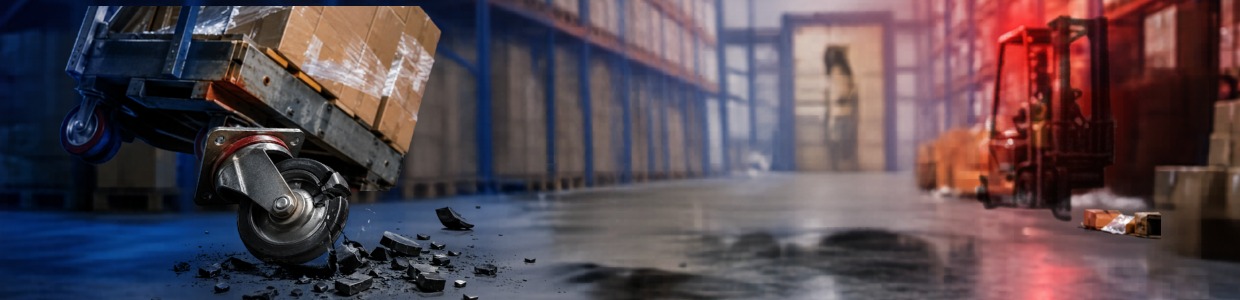
Preventing Castor Wheel Failures is a critical aspect of maintaining efficiency, safety, and productivity in industrial operations. In industrial environments, mobility systems are directly connected to operational productivity. From warehouses and logistics hubs to manufacturing facilities and hospitals, businesses rely heavily on industrial castor wheels for the smooth movement of goods, machinery, and equipment. When these wheels fail unexpectedly, the consequences can be far more serious than many businesses anticipate. Operational downtime, damaged inventory, worker injuries, and delayed workflow are some of the most common problems caused by failed wheel systems. This is why industries today are investing more in high-quality heavy duty castor wheels that can handle continuous industrial movement without compromising performance. By focusing on Preventing Castor Wheel Failures, businesses can reduce maintenance costs, improve workplace safety, and ensure uninterrupted material handling operations.
One of the primary reasons behind wheel failure is incorrect wheel selection. Many industries choose wheels based only on pricing instead of understanding the actual application requirements. Different operational conditions require different wheel materials such as PU castor wheels, rubber wheels, or nylon wheels depending on the floor type, load capacity, and environmental conditions. Using unsuitable wheels on rough surfaces or overloaded equipment increases stress on the wheel structure, eventually causing tread damage, broken bearings, and swivel failures. Businesses using platform trolleys, warehouse trolleys, and other material handling equipment should always ensure that the wheels are selected according to industrial usage demands.
Another major issue that contributes to failure is poor maintenance culture within industrial facilities. Small warning signs such as wheel wobbling, unusual movement resistance, squeaking sounds, or uneven wheel wear are often ignored until the system completely stops functioning. Regular inspection of industrial wheels and industrial castors helps businesses identify damage before it becomes costly. Partnering with trusted castor wheel manufacturers ensures access to durable wheel systems designed for long-term industrial performance, improved safety, and reduced operational downtime across demanding industrial environments.
The Hidden Danger of Overloading Castor Wheels
Overloading remains one of the most common reasons behind premature castor wheel failure in industrial environments. Every wheel is designed with a specific load-bearing capacity, and exceeding that limit creates excessive stress on the wheel body, swivel mechanism, bearings, and mounting structure. In many factories, warehouses, and logistics facilities, operators unknowingly overload heavy duty castor wheels while transporting machinery, inventory, or industrial materials. Over time, this continuous pressure weakens the wheel structure and leads to cracks, deformation, reduced maneuverability, and sudden breakdowns during operations.
Improper load distribution further increases the risk of wheel failure. Even when the overall weight falls within the recommended limit, unevenly distributed pressure can overload individual wheels. This issue is commonly observed in platform trolleys, industrial trolleys, and large material handling equipment where one side carries more weight than the other. When a single wheel absorbs excessive force repeatedly, it experiences faster wear and eventually fails before the remaining wheels. Such failures not only interrupt operations but can also create dangerous workplace safety risks for workers handling heavy industrial loads.
Dynamic load pressure is another factor industries often overlook. Sudden turns, uneven flooring, ramps, and abrupt movement changes create additional force on industrial castor wheels beyond the actual static load. This is especially important in fast-moving warehouse and manufacturing environments where equipment is constantly transported across long distances. Selecting premium-quality PU castor wheels, rubber wheels, or reinforced industrial wheels from trusted castor wheel manufacturers in India helps businesses reduce stress-related damage and improve long-term performance. Proper load management combined with high-quality wheel systems ensures safer operations, lower maintenance costs, and improved efficiency in demanding industrial applications.
Floor Conditions Matter More Than You Think

Floor conditions play a much bigger role in wheel performance than most industries realize. Even the highest-quality industrial castor wheels can fail prematurely if they are constantly exposed to rough, uneven, or contaminated surfaces. Industrial facilities often have cracked concrete floors, damaged tiles, oil spills, metal debris, and uneven movement pathways that place continuous stress on wheel systems. Over time, these harsh conditions lead to tread separation, bearing damage, wheel cracking, and reduced mobility. Businesses relying on material handling equipment should understand that maintaining floor quality is equally important as investing in premium wheel solutions.
Different floor surfaces require different wheel materials to ensure smooth movement and long-lasting performance. For example, PU castor wheels are highly effective on smooth industrial flooring because they offer excellent load capacity, low rolling resistance, and floor protection. On the other hand, rubber wheels perform better in hospitals, retail environments, and commercial facilities where noise reduction and vibration control are important. Using unsuitable industrial wheels on the wrong surface creates unnecessary friction, increasing wear and reducing operational efficiency. Industries using warehouse trolleys, platform trolleys, and mobility equipment must always match wheel materials with their operational environment.
Cleanliness also directly affects wheel durability. Dust particles, chemical residues, metal scraps, and oil accumulation can enter wheel bearings and damage the swivel system over time. This contamination reduces wheel flexibility and creates additional rolling resistance. Regular cleaning of movement pathways and periodic inspection of industrial castors significantly improve wheel lifespan and operational safety. Businesses that partner with reliable castor wheel manufacturers gain access to customized wheel solutions designed specifically for different industrial floor conditions, ensuring smoother movement, reduced maintenance, and better overall productivity.
Bearing Maintenance: The Most Ignored Cause of Wheel Failure
Bearings are one of the most critical components inside industrial castor wheels, yet they are often ignored until movement problems become severe. Bearings are responsible for ensuring smooth wheel rotation and efficient mobility across industrial surfaces. In warehouses, manufacturing plants, hospitals, and logistics facilities where wheels operate continuously, bearings experience constant pressure, friction, and exposure to dust and moisture. Without proper maintenance, even premium-quality heavy duty castor wheels can suffer reduced performance, increased resistance, and complete operational failure.
One of the earliest signs of bearing problems is difficulty in wheel movement. When bearings become contaminated with dirt, oil residue, or industrial debris, friction increases significantly. This creates strain not only on the bearing itself but also on the wheel body and swivel assembly. Over time, neglected bearings can lead to uneven rolling, excessive noise, overheating, and sudden wheel jamming. Businesses using platform trolleys, industrial trolleys, and other material handling equipment should perform regular inspections and lubrication to prevent these issues from affecting day-to-day operations.
Choosing high-quality industrial castors with sealed precision bearings greatly improves wheel lifespan and reduces maintenance requirements. Sealed bearing systems protect internal components from dust, moisture, and chemical exposure, making them ideal for demanding industrial environments. Facilities exposed to heavy movement, water, chemicals, or extreme temperatures benefit significantly from durable bearing technology. Partnering with experienced castor wheel manufacturers in Mumbai ensures access to advanced wheel systems specifically designed for industrial reliability. Preventive bearing maintenance not only improves operational efficiency but also reduces downtime, replacement costs, and workplace safety risks associated with wheel failure.
Why Wheel Material Selection Changes Everything

Selecting the correct wheel material is one of the most important decisions for ensuring long-term industrial performance. Different industries operate under different environmental conditions, load capacities, and movement requirements, which means no single wheel material is suitable for every application. Choosing the wrong material often leads to excessive wear, floor damage, wheel deformation, and reduced mobility. Businesses that rely heavily on industrial castor wheels should understand that wheel material directly affects operational efficiency, safety, and maintenance costs.
Among the most preferred solutions in industrial environments are PU castor wheels because they offer an excellent balance of strength, durability, and floor protection. These wheels are ideal for warehouses, logistics facilities, and manufacturing plants where continuous movement and heavy loads are common. Rubber wheels are another popular choice for environments requiring quieter operations and better shock absorption, such as hospitals, retail stores, and hospitality spaces. For applications involving chemicals, moisture, or extremely heavy loads, nylon wheels provide outstanding resistance and long-lasting structural strength. Choosing the right industrial wheels according to operational requirements significantly improves overall wheel performance.
Environmental exposure is another important factor that industries should consider while selecting wheel materials. High temperatures, wet conditions, chemical spills, and rough flooring can quickly damage low-quality wheels. This is why industries increasingly prefer premium-quality heavy duty castor wheels designed specifically for industrial applications. Businesses working with trusted castor wheel manufacturers gain access to customized wheel solutions suited for their exact operating conditions. Proper material selection not only improves mobility and workplace safety but also reduces downtime, maintenance frequency, and long-term operational expenses across industrial environments.
Swivel Lock Problems That Reduce Workplace Safety
Swivel lock systems play a critical role in controlling movement and ensuring stability during industrial operations. When swivel mechanisms fail, equipment becomes difficult to maneuver, increasing the risk of workplace accidents and operational inefficiencies. In industries where heavy equipment movement is common, poor swivel performance can severely impact productivity and worker safety.
One common reason for swivel lock failure is continuous exposure to excessive weight and rough handling. Over time, the swivel raceway accumulates dirt and metal debris, reducing rotational flexibility. This issue is frequently observed in heavy duty castor wheels used in manufacturing plants, warehouses, and logistics facilities. If swivel systems are not inspected regularly, they may become loose, unstable, or completely jammed during operation.
Proper maintenance and correct wheel selection significantly reduce swivel-related issues. Businesses using industrial trolleys, platform trolleys, and material handling equipment should ensure that swivel locks are suitable for their operational environment. High-quality industrial castors with reinforced swivel assemblies provide better maneuverability, smoother directional control, and improved durability under heavy industrial usage. Investing in premium castor wheel systems helps industries improve movement precision while maintaining safer workplace operations.
Environmental Factors That Quietly Damage Castor Wheels
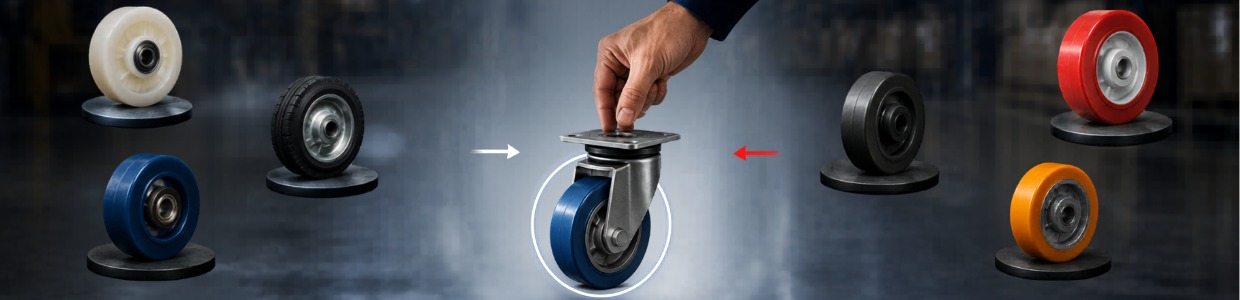
Industrial environments expose castor wheels to several damaging elements that gradually reduce wheel performance. Heat, chemicals, moisture, metal debris, and oil contamination silently affect wheel materials and bearing systems over time. Businesses often focus only on load capacity while ignoring environmental exposure, which eventually leads to premature wheel failure and increased maintenance expenses.
Chemical exposure is especially dangerous for low-quality wheels. In manufacturing facilities and processing plants, certain chemicals can weaken wheel materials, causing cracking and surface degradation. This is why industries handling chemicals often use specialized nylon wheels and corrosion-resistant industrial castor wheels designed for harsh environments. Similarly, high-temperature environments require wheels capable of maintaining structural integrity under continuous heat exposure.
Moisture is another hidden threat that damages bearings and metal components. Rust formation can reduce wheel mobility and weaken swivel assemblies over time. Facilities using warehouse trolleys, heavy duty wheels, and industrial material handling systems should select wheels specifically designed for humid or wet conditions. Working with reliable castor wheel manufacturers in India ensures access to industrial-grade mobility solutions that perform efficiently even in challenging operational environments.
Preventive Maintenance Is the Key to Long-Term Wheel Performance
Preventive maintenance is the most effective strategy for extending the lifespan of industrial castor wheels. Businesses that wait for visible damage before taking action often experience unexpected operational disruptions and higher replacement costs. Routine inspections and timely servicing help industries identify minor issues before they become major failures affecting productivity and workplace safety.
Regular wheel inspections should include checking tread wear, bearing condition, mounting stability, and swivel performance. Small signs like wheel wobbling, uneven rolling, or increased resistance often indicate early-stage damage. Industries using platform trolleys, industrial trolleys, and material handling equipment should create scheduled maintenance programs to ensure consistent wheel performance. Proper lubrication and cleaning also help prevent dirt accumulation and bearing failure.
Choosing premium-quality castor wheel solutions from trusted manufacturers further reduces maintenance frequency and improves operational reliability. High-performance PU castor wheels, rubber wheels, and heavy duty industrial castors are specifically designed for demanding industrial applications. Businesses that prioritize preventive maintenance and invest in durable wheel systems benefit from smoother operations, improved safety, reduced downtime, and long-term cost savings across industrial environments.

CTA
For reliable and high-performance industrial castor wheels, platform trolleys, PU wheels, and customized material handling solutions, trust Rexello Castors to deliver durability and smooth operational performance across industries. Whether you need heavy duty castor wheels for warehouses, factories, hospitals, or logistics operations, our expert team is ready to help you choose the right solution for your business requirements.
📞 Call: +91 7900147477 | 📧 Email: info@rexello.com | 🌐 Website: https://rexello.com/
FAQs:-
Q1. How often should industrial castor wheels be inspected?
A1. Industrial castor wheels should ideally be inspected every month to identify wear, bearing issues, or structural damage early.
Q2. Which wheel material is best for warehouse operations?
A2. PU castor wheels are highly preferred for warehouse operations due to their durability, smooth rolling, and floor protection.
Q3. What causes castor wheel bearing failure?
A3. Bearing failure is commonly caused by dust accumulation, lack of lubrication, moisture exposure, and overloading.
Q4. Why do industrial castor wheels crack under heavy loads?
A4. Cracking usually occurs because of overloading, poor-quality wheel material, or uneven weight distribution during operations.